PROTOCOL
IN THE LOOP
Build hardware with AI
Go from idea to working prototype in minutes. Omen designs the circuit, writes the firmware, and gets your board manufactured.
I use it as a second pair of eyes during integration. The built-in serial monitor means I'm not jumping between tools -- it watches the logs, catches bugs before I even realize something is wrong, and explains why it's happening. That visibility into what's actually going on has changed how I work. I'll dry run a concept, throw some tests at it, and make a call with actual data.

For Embedded Rust and Zephyr, boilerplate and custom hardware bringup used to cost me hours of going through docs. With Omen I get that in 2 minutes. And it's not just the time -- when you rush through bringup, those mistakes come back to bite you later. With Omen, the bringup feels taken care of and I can just focus on the interesting parts of the application.


Tanvesh Sarve
@Sarve___tanvesh
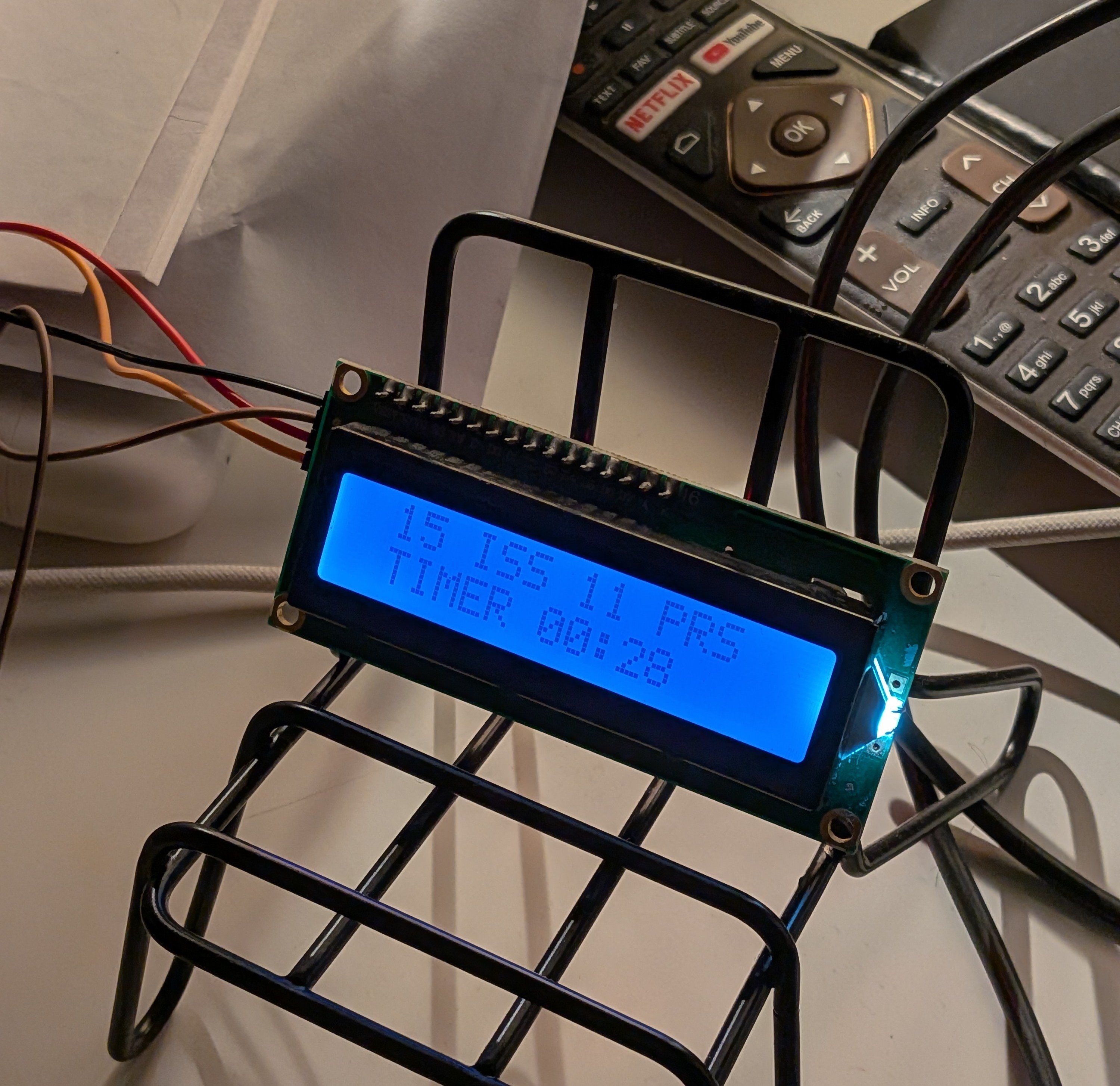
took it 10mins more but now my hermes is talking to it and showing me open issues and PRs with a focus timer!
May 19, 2026
Just wrapped up a firmware project on a complex board. I just uploaded the schematic and Omen understood everything. Even with proprietary datasheets, it figured out the context without me having to explain it. And Digvijay checks in every other day, everything I need just gets shipped. You can tell the tool is being built by someone who actually listens.

In day-to-day debug work during the Quality Assurance phase, we rarely see critical issues. Mostly environmental failures that we ignore and re-run in a healthy host environment. But opening dumps in T32 to analyze these false alarms still costs a lot of time. This tool drastically reduces that turnaround time, and if it is a critical issue, it flags code red and asks for engineer attention -- saving engineer time for quality work.

Senior Engineer · Samsung Semiconductor
I use it as a second pair of eyes during integration. The built-in serial monitor means I'm not jumping between tools -- it watches the logs, catches bugs before I even realize something is wrong, and explains why it's happening. That visibility into what's actually going on has changed how I work. I'll dry run a concept, throw some tests at it, and make a call with actual data.
For Embedded Rust and Zephyr, boilerplate and custom hardware bringup used to cost me hours of going through docs. With Omen I get that in 2 minutes. And it's not just the time -- when you rush through bringup, those mistakes come back to bite you later. With Omen, the bringup feels taken care of and I can just focus on the interesting parts of the application.
Tanvesh Sarve
@Sarve___tanvesh
took it 10mins more but now my hermes is talking to it and showing me open issues and PRs with a focus timer!
May 19, 2026
Just wrapped up a firmware project on a complex board. I just uploaded the schematic and Omen understood everything. Even with proprietary datasheets, it figured out the context without me having to explain it. And Digvijay checks in every other day, everything I need just gets shipped. You can tell the tool is being built by someone who actually listens.
In day-to-day debug work during the Quality Assurance phase, we rarely see critical issues. Mostly environmental failures that we ignore and re-run in a healthy host environment. But opening dumps in T32 to analyze these false alarms still costs a lot of time. This tool drastically reduces that turnaround time, and if it is a critical issue, it flags code red and asks for engineer attention -- saving engineer time for quality work.
Senior Engineer · Samsung Semiconductor
I use it as a second pair of eyes during integration. The built-in serial monitor means I'm not jumping between tools -- it watches the logs, catches bugs before I even realize something is wrong, and explains why it's happening. That visibility into what's actually going on has changed how I work. I'll dry run a concept, throw some tests at it, and make a call with actual data.
For Embedded Rust and Zephyr, boilerplate and custom hardware bringup used to cost me hours of going through docs. With Omen I get that in 2 minutes. And it's not just the time -- when you rush through bringup, those mistakes come back to bite you later. With Omen, the bringup feels taken care of and I can just focus on the interesting parts of the application.
Just wrapped up a firmware project on a complex board. I just uploaded the schematic and Omen understood everything. Even with proprietary datasheets, it figured out the context without me having to explain it. And Digvijay checks in every other day, everything I need just gets shipped. You can tell the tool is being built by someone who actually listens.
In day-to-day debug work during the Quality Assurance phase, we rarely see critical issues. Mostly environmental failures that we ignore and re-run in a healthy host environment. But opening dumps in T32 to analyze these false alarms still costs a lot of time. This tool drastically reduces that turnaround time, and if it is a critical issue, it flags code red and asks for engineer attention -- saving engineer time for quality work.
Senior Engineer · Samsung Semiconductor
I use it as a second pair of eyes during integration. The built-in serial monitor means I'm not jumping between tools -- it watches the logs, catches bugs before I even realize something is wrong, and explains why it's happening. That visibility into what's actually going on has changed how I work. I'll dry run a concept, throw some tests at it, and make a call with actual data.
For Embedded Rust and Zephyr, boilerplate and custom hardware bringup used to cost me hours of going through docs. With Omen I get that in 2 minutes. And it's not just the time -- when you rush through bringup, those mistakes come back to bite you later. With Omen, the bringup feels taken care of and I can just focus on the interesting parts of the application.
Just wrapped up a firmware project on a complex board. I just uploaded the schematic and Omen understood everything. Even with proprietary datasheets, it figured out the context without me having to explain it. And Digvijay checks in every other day, everything I need just gets shipped. You can tell the tool is being built by someone who actually listens.
In day-to-day debug work during the Quality Assurance phase, we rarely see critical issues. Mostly environmental failures that we ignore and re-run in a healthy host environment. But opening dumps in T32 to analyze these false alarms still costs a lot of time. This tool drastically reduces that turnaround time, and if it is a critical issue, it flags code red and asks for engineer attention -- saving engineer time for quality work.
Senior Engineer · Samsung Semiconductor
I use it as a second pair of eyes during integration. The built-in serial monitor means I'm not jumping between tools -- it watches the logs, catches bugs before I even realize something is wrong, and explains why it's happening. That visibility into what's actually going on has changed how I work. I'll dry run a concept, throw some tests at it, and make a call with actual data.
For Embedded Rust and Zephyr, boilerplate and custom hardware bringup used to cost me hours of going through docs. With Omen I get that in 2 minutes. And it's not just the time -- when you rush through bringup, those mistakes come back to bite you later. With Omen, the bringup feels taken care of and I can just focus on the interesting parts of the application.
Just wrapped up a firmware project on a complex board. I just uploaded the schematic and Omen understood everything. Even with proprietary datasheets, it figured out the context without me having to explain it. And Digvijay checks in every other day, everything I need just gets shipped. You can tell the tool is being built by someone who actually listens.
In day-to-day debug work during the Quality Assurance phase, we rarely see critical issues. Mostly environmental failures that we ignore and re-run in a healthy host environment. But opening dumps in T32 to analyze these false alarms still costs a lot of time. This tool drastically reduces that turnaround time, and if it is a critical issue, it flags code red and asks for engineer attention -- saving engineer time for quality work.
Senior Engineer · Samsung Semiconductor
Just wrapped up a firmware project on a complex board. I just uploaded the schematic and Omen understood everything. Even with proprietary datasheets, it figured out the context without me having to explain it. And Digvijay checks in every other day, everything I need just gets shipped. You can tell the tool is being built by someone who actually listens.
In day-to-day debug work during the Quality Assurance phase, we rarely see critical issues. Mostly environmental failures that we ignore and re-run in a healthy host environment. But opening dumps in T32 to analyze these false alarms still costs a lot of time. This tool drastically reduces that turnaround time, and if it is a critical issue, it flags code red and asks for engineer attention -- saving engineer time for quality work.
Senior Engineer · Samsung Semiconductor
I use it as a second pair of eyes during integration. The built-in serial monitor means I'm not jumping between tools -- it watches the logs, catches bugs before I even realize something is wrong, and explains why it's happening. That visibility into what's actually going on has changed how I work. I'll dry run a concept, throw some tests at it, and make a call with actual data.
For Embedded Rust and Zephyr, boilerplate and custom hardware bringup used to cost me hours of going through docs. With Omen I get that in 2 minutes. And it's not just the time -- when you rush through bringup, those mistakes come back to bite you later. With Omen, the bringup feels taken care of and I can just focus on the interesting parts of the application.
Tanvesh Sarve
@Sarve___tanvesh
took it 10mins more but now my hermes is talking to it and showing me open issues and PRs with a focus timer!
May 19, 2026
Just wrapped up a firmware project on a complex board. I just uploaded the schematic and Omen understood everything. Even with proprietary datasheets, it figured out the context without me having to explain it. And Digvijay checks in every other day, everything I need just gets shipped. You can tell the tool is being built by someone who actually listens.
In day-to-day debug work during the Quality Assurance phase, we rarely see critical issues. Mostly environmental failures that we ignore and re-run in a healthy host environment. But opening dumps in T32 to analyze these false alarms still costs a lot of time. This tool drastically reduces that turnaround time, and if it is a critical issue, it flags code red and asks for engineer attention -- saving engineer time for quality work.
Senior Engineer · Samsung Semiconductor
I use it as a second pair of eyes during integration. The built-in serial monitor means I'm not jumping between tools -- it watches the logs, catches bugs before I even realize something is wrong, and explains why it's happening. That visibility into what's actually going on has changed how I work. I'll dry run a concept, throw some tests at it, and make a call with actual data.
For Embedded Rust and Zephyr, boilerplate and custom hardware bringup used to cost me hours of going through docs. With Omen I get that in 2 minutes. And it's not just the time -- when you rush through bringup, those mistakes come back to bite you later. With Omen, the bringup feels taken care of and I can just focus on the interesting parts of the application.
Just wrapped up a firmware project on a complex board. I just uploaded the schematic and Omen understood everything. Even with proprietary datasheets, it figured out the context without me having to explain it. And Digvijay checks in every other day, everything I need just gets shipped. You can tell the tool is being built by someone who actually listens.
In day-to-day debug work during the Quality Assurance phase, we rarely see critical issues. Mostly environmental failures that we ignore and re-run in a healthy host environment. But opening dumps in T32 to analyze these false alarms still costs a lot of time. This tool drastically reduces that turnaround time, and if it is a critical issue, it flags code red and asks for engineer attention -- saving engineer time for quality work.
Senior Engineer · Samsung Semiconductor
I use it as a second pair of eyes during integration. The built-in serial monitor means I'm not jumping between tools -- it watches the logs, catches bugs before I even realize something is wrong, and explains why it's happening. That visibility into what's actually going on has changed how I work. I'll dry run a concept, throw some tests at it, and make a call with actual data.
For Embedded Rust and Zephyr, boilerplate and custom hardware bringup used to cost me hours of going through docs. With Omen I get that in 2 minutes. And it's not just the time -- when you rush through bringup, those mistakes come back to bite you later. With Omen, the bringup feels taken care of and I can just focus on the interesting parts of the application.
Just wrapped up a firmware project on a complex board. I just uploaded the schematic and Omen understood everything. Even with proprietary datasheets, it figured out the context without me having to explain it. And Digvijay checks in every other day, everything I need just gets shipped. You can tell the tool is being built by someone who actually listens.
In day-to-day debug work during the Quality Assurance phase, we rarely see critical issues. Mostly environmental failures that we ignore and re-run in a healthy host environment. But opening dumps in T32 to analyze these false alarms still costs a lot of time. This tool drastically reduces that turnaround time, and if it is a critical issue, it flags code red and asks for engineer attention -- saving engineer time for quality work.
Senior Engineer · Samsung Semiconductor
I use it as a second pair of eyes during integration. The built-in serial monitor means I'm not jumping between tools -- it watches the logs, catches bugs before I even realize something is wrong, and explains why it's happening. That visibility into what's actually going on has changed how I work. I'll dry run a concept, throw some tests at it, and make a call with actual data.
For Embedded Rust and Zephyr, boilerplate and custom hardware bringup used to cost me hours of going through docs. With Omen I get that in 2 minutes. And it's not just the time -- when you rush through bringup, those mistakes come back to bite you later. With Omen, the bringup feels taken care of and I can just focus on the interesting parts of the application.